
Omega-3 (LC)
Omega-3 (LC)
Long-chain omega-3 from fish; vital for brain and anti-inflammatory effects
Daily Target:
450 milligrams (mg) (2 portions oily fish/week)
While plant-based ALA is the starting point, EPA and DHA are the powerful, ready-to-use forms of omega-3, found almost exclusively in oily fish and other marine sources. They are vital for brain function and vision and play a key role in helping to regulate your body's inflammatory response. Instead of a strict daily milligram target, the simplest and most effective strategy is to aim for two portions of fish per week, ensuring at least one of them is oily. For those who don't eat fish, a quality supplement providing around 450mg of combined EPA and DHA daily is an effective alternative.
Good sources
5 anchovies
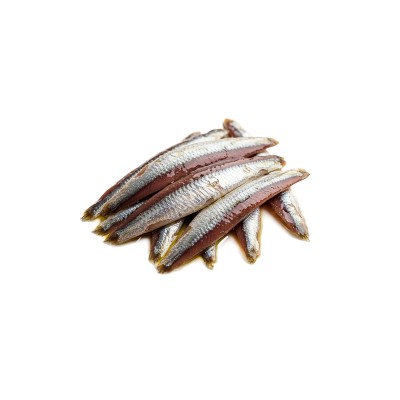
provides
0.9 g
1 herring fillet
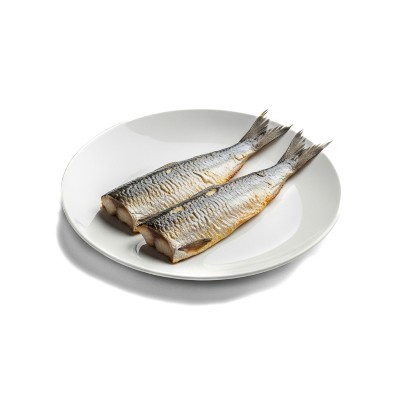
provides
1.36 g
1 mackerel fillet
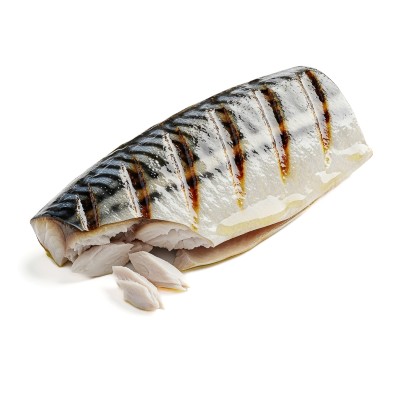
provides
1.35 g
1 salmon fillet
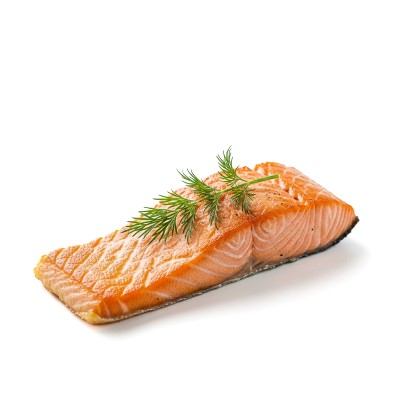
provides
2.16 g
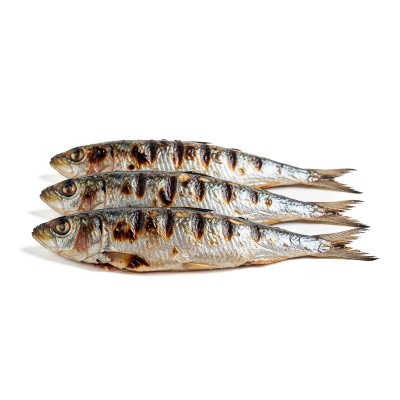
3 sardines
provides
1.05 g
What the research says
🇬🇧The British Heart Foundation advises eating two portions (= 140g each) of fish per week, one of which is oily, providing about 450 mg EPA + DHA per day.BHF: omega-3
🇺🇸The NIH provides more guidance on long-chain omega-3, for which there is no universally agreed RDANIH: omega-3
🇬🇧The NHS outlines the importance of fish in our diet, but notes that some oily fish are high in pollutants and should be eaten in moderation.NHS: fish and shellfish


Latest Articles

Nutrition That Makes Your Skin Glow
How omega-3s, vitamin E, zinc and polyphenols nourish your skin from within.

Why Breakfast Is Crucial With PMOS
How front-loading your nutrition with protein and fibre can regulate insulin and lower androgens.

Fuelling When You're Not Hungry
How to meet your nutritional needs and protect muscle mass on GLP-1 medications.